Federal Apostille and Notary Processing
- Home
- About
- Services
- Resources
- Accessibility
- News and Updates Directory
- Country Guide
- Documentation
- Document Checklist
- FAQs
- General FAQs
- Do I Need to Be in Washington, D.C. to Get a Federal Apostille?
- Federal Apostille vs. Federal Authentication: Is There a Difference?
- Federal Apostille vs. State Apostille: Which Do You Need?
- Hague vs. Non-Hague: Understanding Federal Apostille and Authentication
- What Is the Federal Apostille Process?
- Glossary
- Privacy Policy
- Processing Time Estimator
- Refund Policy
- Sample Documents
- Shipping and Delivery
- Terms of Service
- Locations
- Contact
- Tracking
FederalApostille.org provides structured assistance for embassy and consulate legalization of U.S. documents intended for use in countries that do not participate in the Hague Apostille Convention or that impose additional legalization requirements beyond apostille or authentication.
Embassy legalization is a multi-stage international authentication process governed by the destination country’s laws, consular regulations, and acceptance standards. Each embassy or consulate sets its own procedural rules, document formats, fees, and jurisdictional limitations. Our role is to coordinate correct routing, sequencing, and submission readiness to reduce rejection risk and prevent procedural delays.

Legalization Intake Review & Pathway Determination
Before embassy or consulate submission, each document is reviewed to determine the exact legalization pathway required by the destination country.
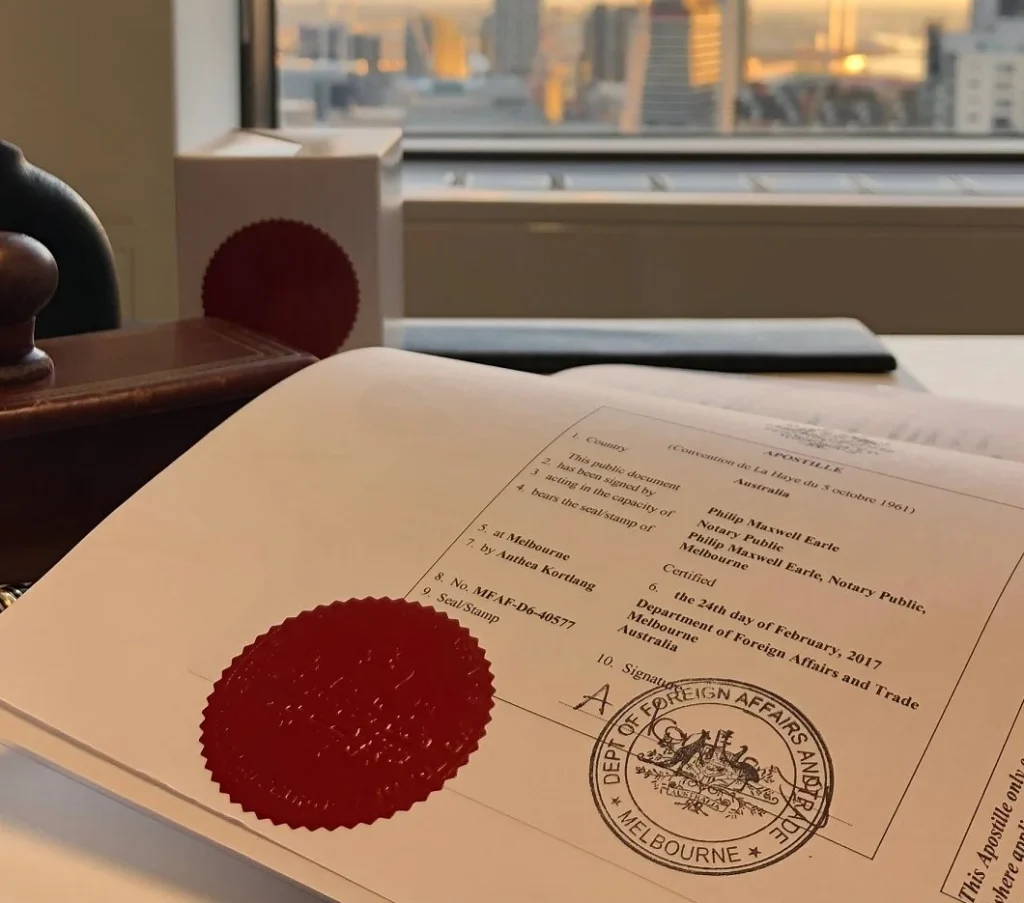
This review includes:
- Identification of the destination country and consular authority
- Confirmation whether the country is non-Hague or requires post-apostille legalization
- Determination of required prior certifications (state apostille, federal authentication)
- Review of issuing authority and execution format
- Identification of jurisdictional restrictions imposed by the embassy or consulate
- Confirmation of translation, formatting, or notarization requirements
- Verification of submission method (mail-in, appointment-based, or courier)
When documentation is incomplete or incorrectly prepared, corrective guidance is provided before legalization routing begins.
Embassy legalization typically occurs after state or federal authentication and serves as the final confirmation step for acceptance by the destination country’s government authority.
- Consular Legalization (Non-Hague countries) — Final embassy or consulate certification
- Post-Apostille Legalization — Additional consular verification when required
- Jurisdiction Review — Confirmation of correct consulate based on document origin
- Secure Submission Handling — Controlled routing and document custody
- Certified / Sworn Translation (optional) — When required by the receiving authority
Common Documents Requiring Embassy Legalization
- Birth, marriage, and death certificates
- Divorce decrees and court judgments
- Powers of attorney for foreign use
- Educational records (diplomas, transcripts)
- Corporate and commercial documents
- Certificates of origin and trade documents
- Immigration and residency filings
- Medical, police, and background records
Requirements vary by country, ministry, and intended use.
Legalization Sequencing & Processing Oversight
Embassy legalization is not a single-step service. It requires strict sequencing and compliance with multiple authorities, which may include a state Secretary of State, the U.S. Department of State, and the destination country’s embassy or consulate.
To maintain document integrity and prevent rejection, we apply controlled handling standards:
- Intake logging and condition verification upon receipt
- Confirmation of prerequisite authentications prior to consular routing
- Submission preparation aligned to consular formatting rules
- Monitoring during embassy or consulate review
- Issue escalation if consular deficiencies are identified
Secure return and documented release upon completion
FederalApostille.org provides guidance on destination-specific legalization standards, including whether documents must pass through state, federal, and consular stages. Requirements vary widely by country and may differ based on document type, issuing authority, and purpose (immigration, employment, education, business registration, or court use).
Identified
Consulting
Produce
Identified
Legalization Review. We determine the correct consular pathway and confirm all prerequisite authentications required for embassy acceptance.
Consulting
Consular Coordination. We coordinate submission preparation and routing to the appropriate embassy or consulate under applicable jurisdiction rules.
Produce
Secure Completion & Return. Completed documents are returned using controlled handling procedures, with trackable delivery and documented release standards.
Connect With Us

Federal Apostille and Notary Processing
400 8th St NW, Washington, DC 20004
The latest news, articles, and resources, sent straight to your inbox every month.